
Optimal Timing for Gradings

Spring offers longer daylight hours and warmer weather, ideal for training and preparing for gradings.

Summer can be suitable for intensive training sessions, but scheduling should consider holidays and vacations.

Fall provides a consistent routine after summer breaks, making it a popular time for assessments.
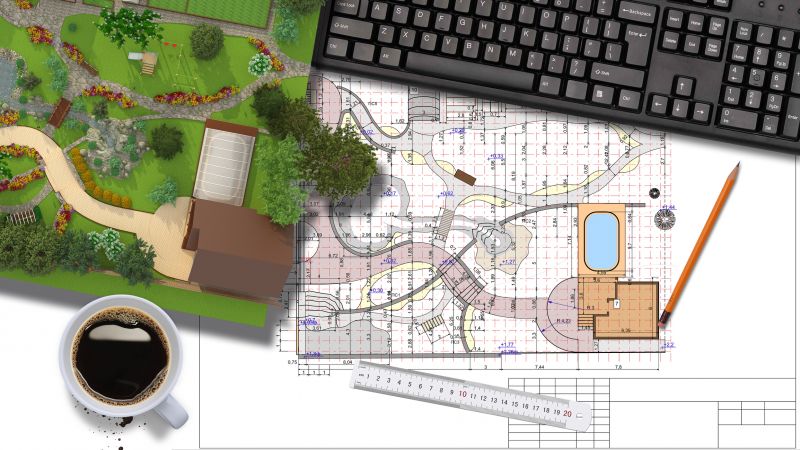
Ways to make Gradings work in tight or awkward layouts.

Popular materials for Gradings and why they hold up over time.
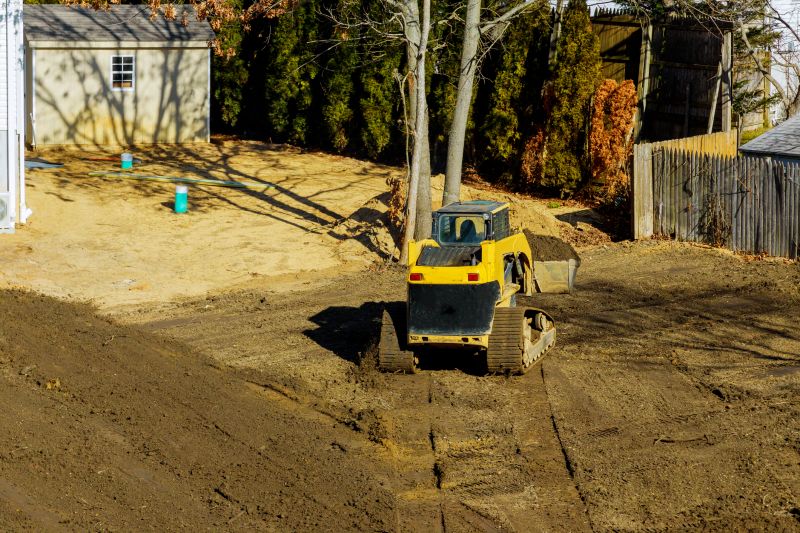
Simple add-ons that improve Gradings without blowing the budget.

High-end options that actually feel worth it for Gradings.

Finishes and colors that play nicely with Gradings.
Gradings serve as milestones that mark progress and skill mastery. They motivate practitioners to set goals and maintain consistent training routines. Proper timing ensures evaluations are fair and reflective of current abilities, which can vary based on seasonal factors and training intensity.
Scheduling gradings during periods of consistent training helps ensure readiness and confidence.
Aligning gradings with training cycles maximizes skill retention and performance.
Assessments should be timed when practitioners have had sufficient practice and preparation.
Coordinating with local events or competitions can influence the best timing for gradings.
| Best Months for Gradings | Notes |
|---|---|
| March to May | Ideal after spring training sessions. |
| September to November | Suitable following summer training and before winter holidays. |
| December to February | Less common due to holiday season and lower training frequency. |
| June to August | Can be effective with summer intensive programs. |
| Late Fall | Good for end-of-year assessments and promotions. |

Celebrations often follow graduations, marking achievement and progress.
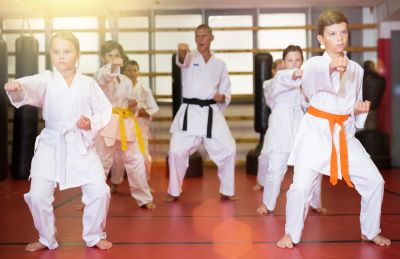
Focused training prepares practitioners for upcoming gradings.

Regular assessments help monitor development over time.

Little measurements that prevent headaches on Gradings day.

A 60-second routine that keeps Gradings looking new.

A frequent mistake in Gradings and how to dodge it.

Small tweaks to make Gradings safer and easier to use.
Lower-waste or water-saving choices for Gradings.
Choosing the right time for gradings involves considering training schedules, practitioner readiness, and external factors such as holidays or local events. Proper planning ensures that assessments are fair, comprehensive, and serve as effective milestones in skill development.

Focused practice sessions lead up to grading events.

Assessments typically include skill demonstrations and theoretical knowledge.

Gradings recognize achievement and motivate ongoing training.

Gradings often involve fellow practitioners and instructors.

The short, realistic tool list for quality Gradings.
Rough timing from prep to clean-up for Gradings.

Quick checks and paperwork to keep after Gradings.

Examples that show the impact a good Gradings can make.
Practitioners and instructors should plan gradings well in advance to ensure adequate preparation. Timing should also consider individual progress and external commitments to maximize the benefits of each assessment.
Interested practitioners can contact for further details about scheduling gradings and preparing effectively for assessments. Filling out the contact form provides an opportunity to discuss specific timing options and training plans.